Why GHK-Cu differs from other regenerative peptides Although GHK-Cu, BPC-157 and TB-500 are often grouped together as regenerative research peptides, they represent distinct biological approaches and are not directly interchangeable
By tailoring doses to fit the unique needs of each patient, it allows for optimized treatment outcomes, potentially reducing side effects and enhancing the overall efficacy of therapy [1]
It has been verified and confirmed that Shen-zhi-Ling can simultaneously regulate the expression of alpha-1-antitrypsin, von Willebrand factors, apolipoprotein C-III, and alpha-2-macroglobulin [8, 594]
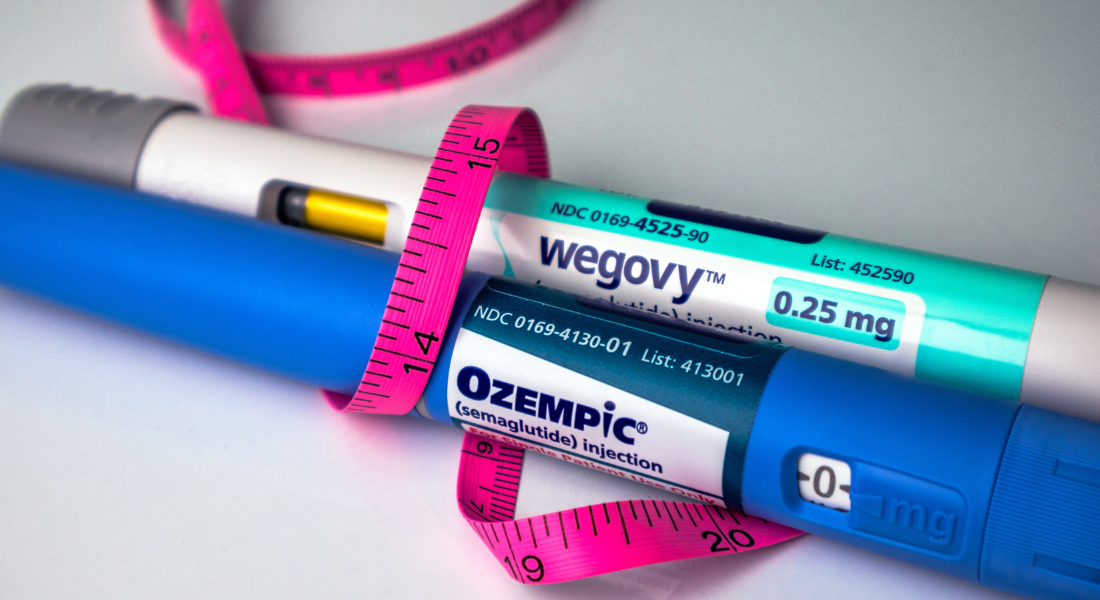
Even among those that don't report significant clinical side effects, the financial burden of these drugs, as well as the injectable nature of the most popular versions (which much be administered via subcutaneous injection), are major deterrents for many patients